November 6, 2026
A new roof is one of the most important investments a property owner can make. Whether you're maintaining a commercial building or planning a replacement, choosing the right materials and contractor can affect your property's protection, appearance, and long-term expenses.
According to RubyHome, an estimated 5 million roofs are installed each year. This statistic highlights the demand for reliable roofing solutions. At Constitution Contracting Inc., we understand the importance of quality roofing. Working with an experienced commercial roofing company can help you evaluate materials, understand costs, and plan a successful installation.
1. Understanding Different Roofing Materials
Choosing appropriate roofing materials is essential for long-lasting protection. Each material offers different benefits, maintenance requirements, and installation considerations.
Evaluating Asphalt Shingles
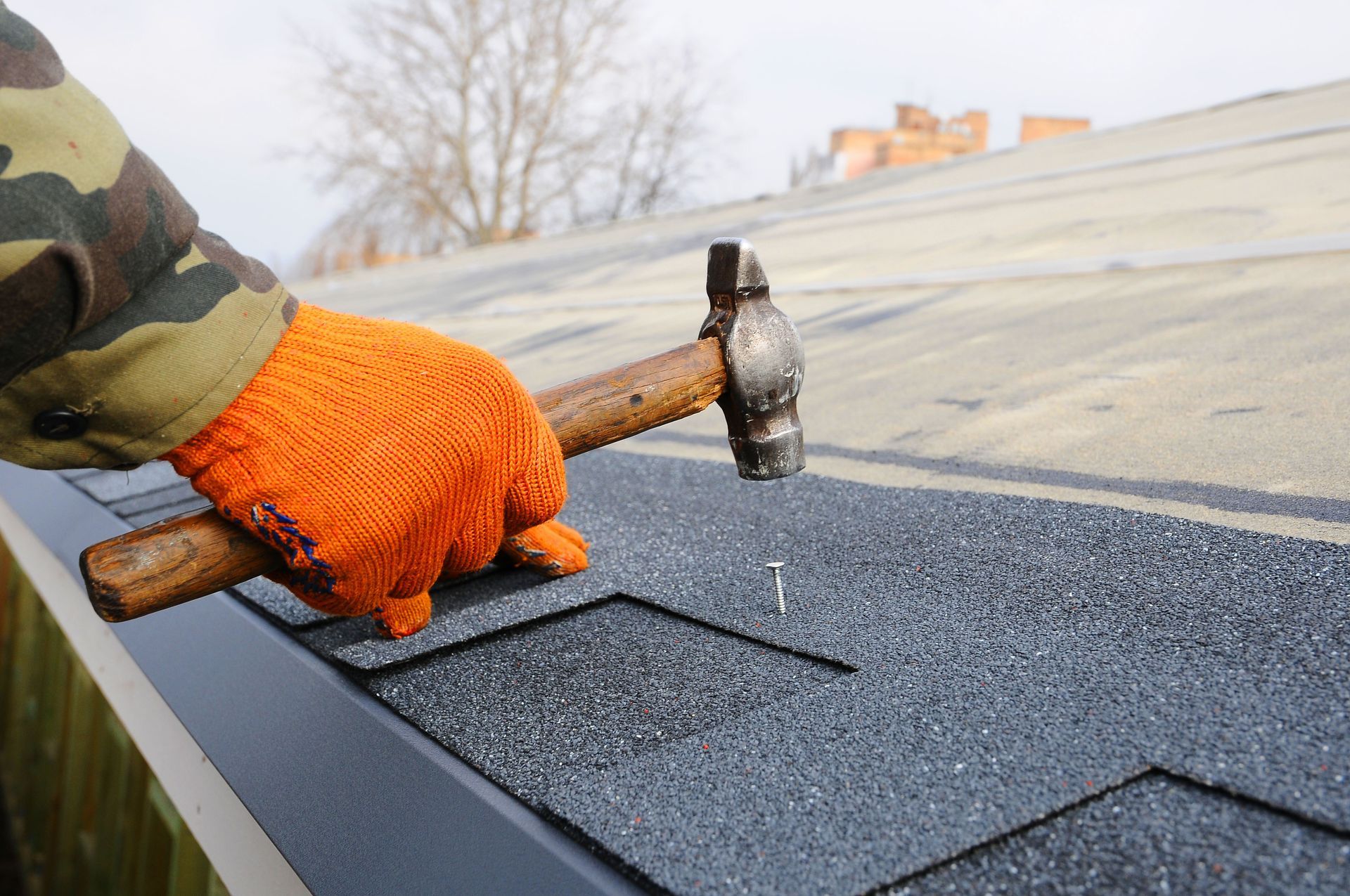
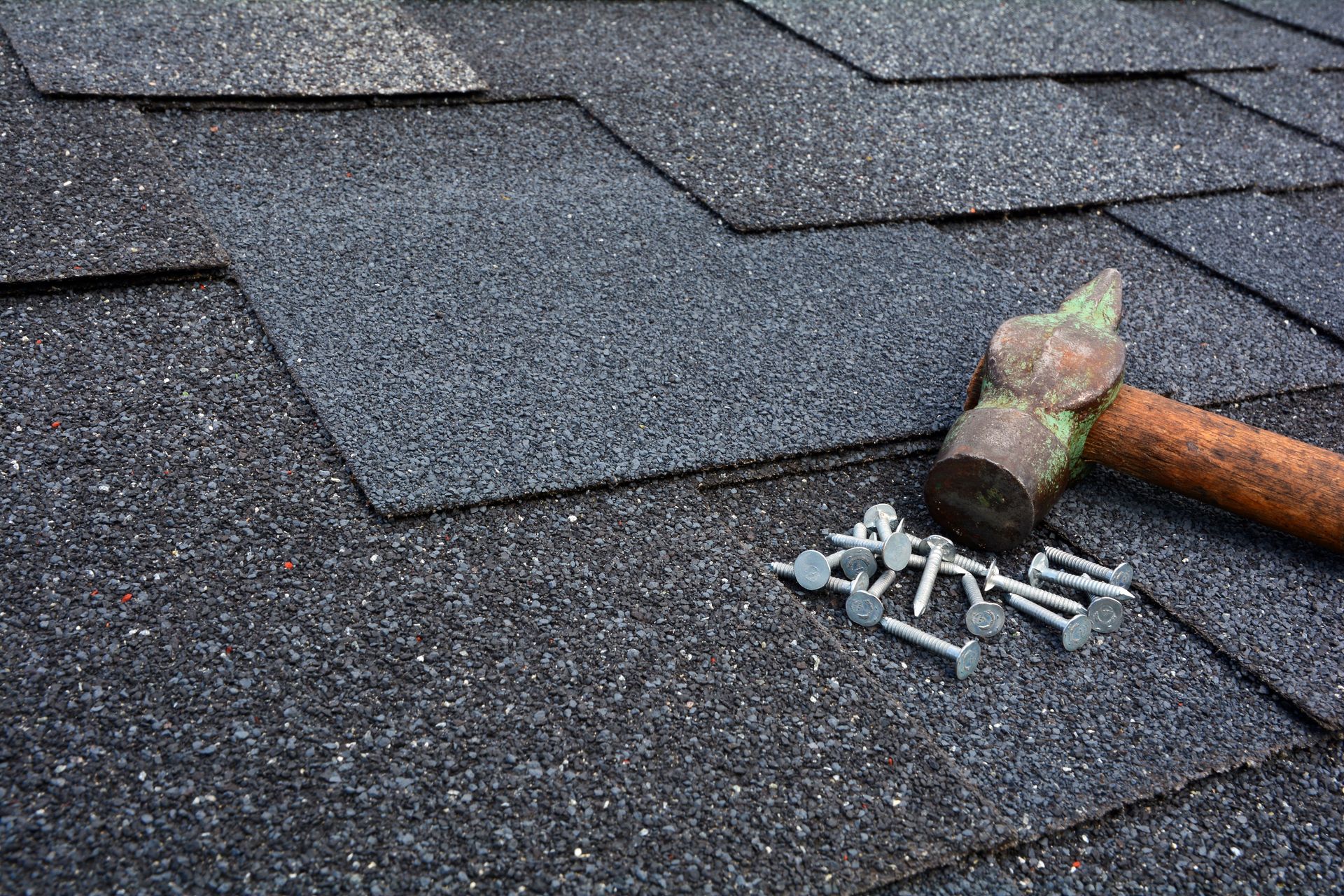
Asphalt shingles remain popular because of their affordability, versatility, and straightforward installation. Available in numerous colors and styles, they complement many architectural designs. Depending on the product and environmental conditions, asphalt shingles typically last approximately 15 to 30 years.
Although commonly associated with residential properties, shingles may also suit certain steep-slope commercial buildings. However, severe weather, including strong winds and hail, can cause damage.
At Constitution Contracting Inc., we encourage property owners to consider durability, appearance, and maintenance when selecting materials. An experienced commercial roofing company can determine whether asphalt shingles are appropriate for your building.
Evaluating Metal Roofing
Metal roofing offers impressive durability for commercial and residential applications. Common materials include aluminum, steel, copper, and zinc. Depending on installation quality and maintenance, metal roofs can provide decades of protection.
Certain reflective metal roofing products help reduce solar heat absorption, potentially lowering cooling demands during warmer months.
Metal roofing also resists many environmental conditions. However, proper installation is essential for preventing leaks, managing thermal movement, and maintaining structural performance.
Professional contractors can recommend suitable metal roofing systems based on your property's design, climate, and operational requirements.
Evaluating Tile and Slate Roofing
Tile and slate roofing materials provide distinctive appearances and exceptional longevity. Clay tiles, concrete tiles, and natural slate can withstand various environmental conditions when properly installed.
Their substantial weight requires careful structural evaluation. Not every building can support these materials without reinforcement.
Installation costs are generally higher because these systems require specialized expertise. Nevertheless, their extended service lives can make them worthwhile investments.
Before selecting tile or slate, property owners should consult roofing professionals who understand structural requirements, installation techniques, and maintenance considerations.
Evaluating Sustainable Roofing Options
Sustainability has become increasingly important in roofing decisions. Reflective roofing systems, recycled materials, and vegetated roofs offer potential environmental advantages.
Cool roofing materials can reduce heat absorption, helping commercial buildings manage indoor temperatures. Green roofs incorporate vegetation and specialized drainage systems that may support stormwater management and insulation.
Some roofing materials contain recycled components or can be recycled after replacement.
However, sustainable roofing systems require evaluation of structural capacity, climate conditions, maintenance needs, and installation expenses.
A knowledgeable commercial roofing company can explain available options and help property owners balance environmental goals with performance requirements.
2. Understanding Different Roofing Costs
Roofing expenses extend beyond materials. Labor, installation complexity, maintenance, and expected service life all influence the total investment.
Evaluating Initial Material Costs
Roofing materials vary considerably in price. Asphalt shingles generally offer lower initial costs, while premium metal, tile, and slate systems require larger investments.
For commercial properties, membrane roofing systems may be appropriate, particularly for low-slope roofs. Material selection depends on building design, drainage requirements, and performance expectations.
Although inexpensive materials may seem attractive initially, durability and replacement frequency should influence decisions.
At Constitution Contracting Inc., we believe property owners benefit from understanding immediate expenses and long-term value. A professional commercial roofing company can explain material differences and recommend suitable options.
Evaluating Labor and Installation Costs
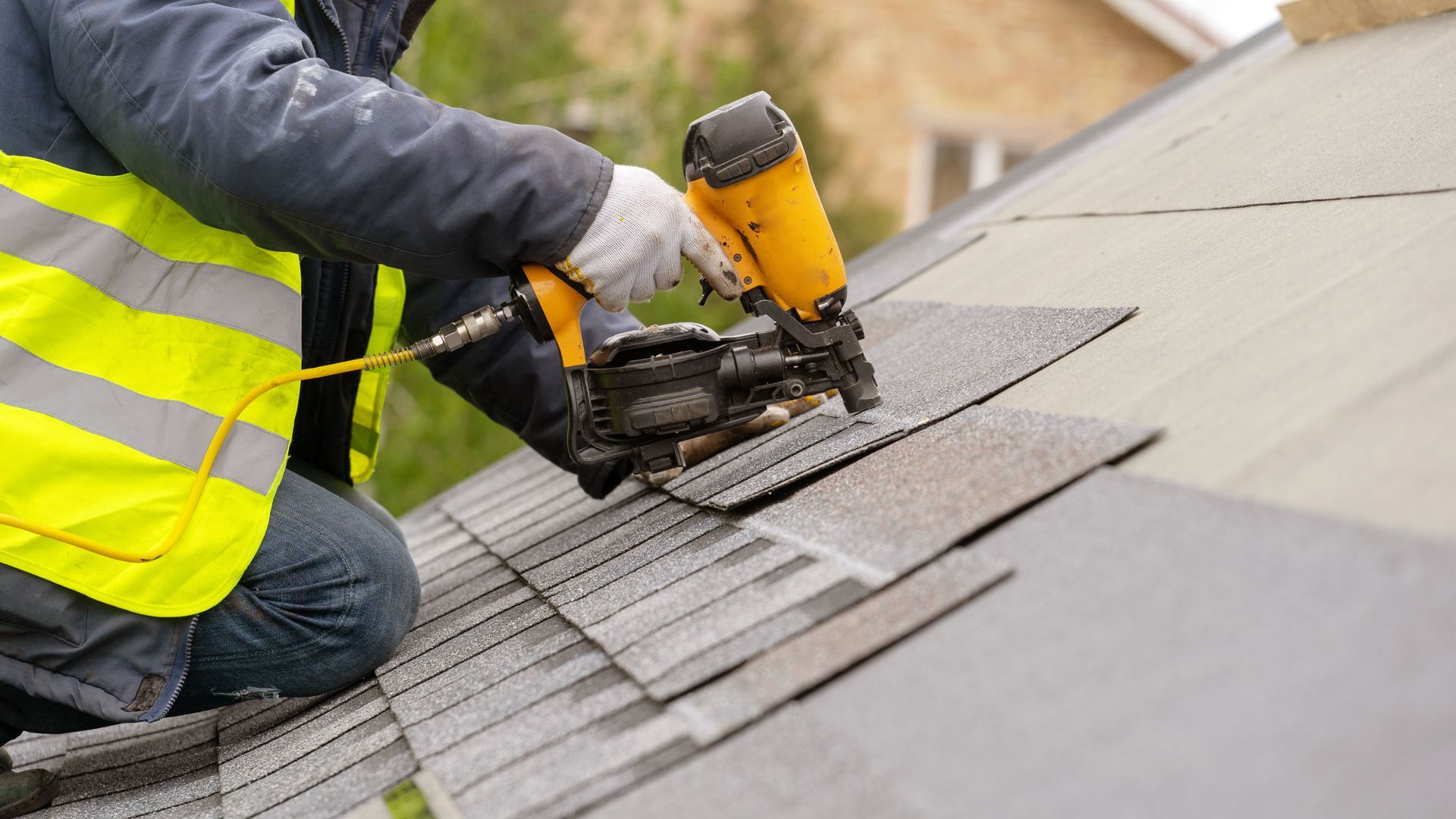
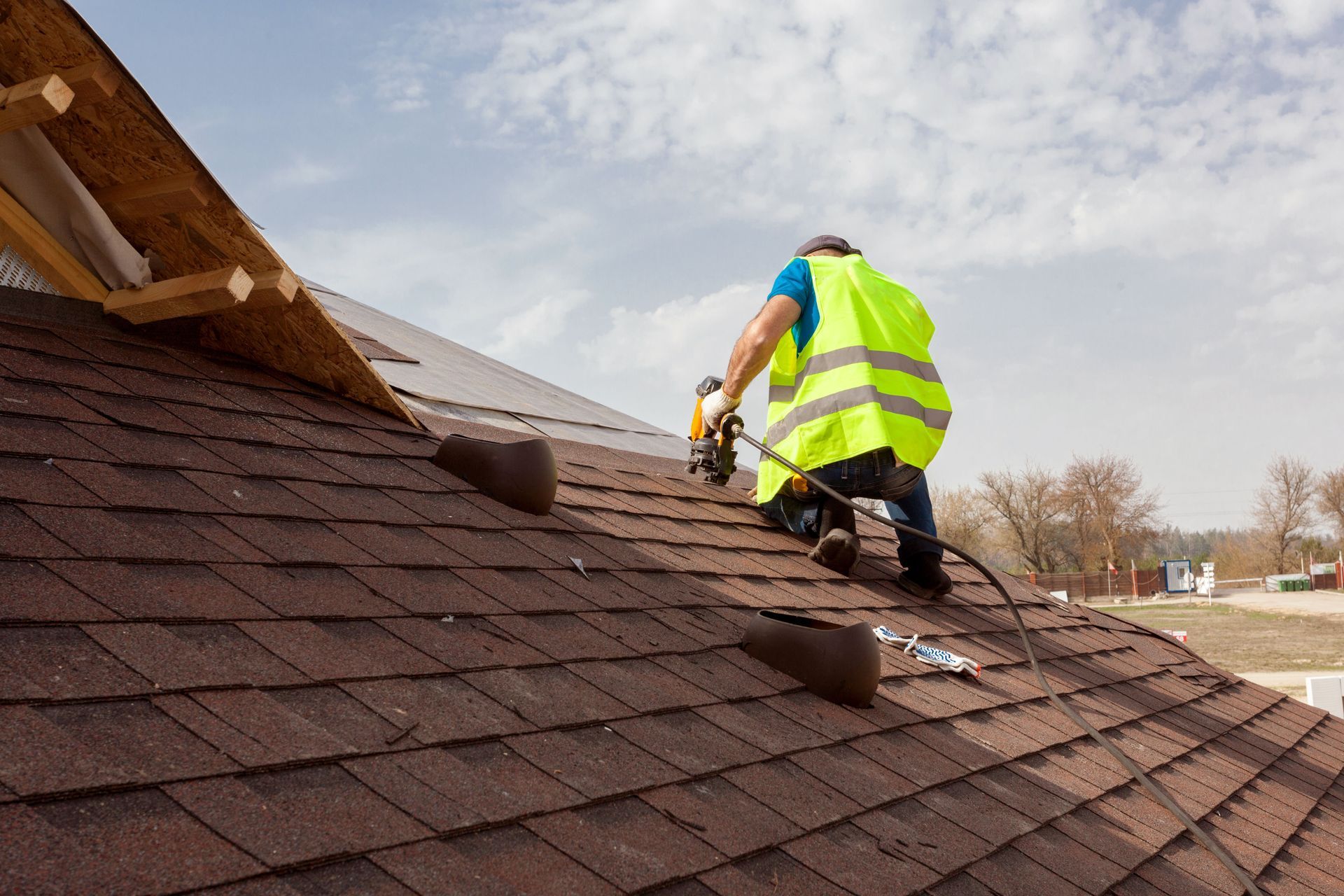
Labor represents a substantial portion of roofing expenses. Project size, roof accessibility, installation complexity, and structural conditions influence pricing.
Commercial buildings may require additional safety procedures, specialized equipment, or coordination to minimize disruptions.
Experienced roofing professionals understand how to manage these requirements while maintaining installation quality.
Poor workmanship can lead to water intrusion, premature deterioration, and unexpected repairs. Selecting qualified contractors is essential for protecting your investment.
Property owners should request detailed estimates explaining labor, materials, preparation, and anticipated timelines before approving work.
Evaluating Long-Term Maintenance Costs
Every roofing system requires professional maintenance. Regular inspections help identify concerns before they become expensive problems.
Common issues include deteriorating flashing, damaged membranes, loose materials, and drainage obstructions. Addressing these conditions promptly can reduce extensive water damage.
Maintenance requirements vary depending on roofing materials and environmental exposure. Commercial properties with rooftop equipment may require additional attention around penetrations and drainage systems.
Partnering with a dependable commercial roofing company allows property owners to establish inspection schedules and address repairs professionally.
Preventive maintenance can also support warranty compliance when performed according to manufacturer requirements.
Evaluating Financing and Payment Options
Roof replacement can represent a significant financial commitment. Understanding payment options helps property owners prepare.
Depending on the project, financing arrangements may include business loans, property improvement financing, or contractor-supported payment programs.
Before committing, review interest rates, repayment schedules, fees, and eligibility requirements.
Commercial property owners should consider how roofing improvements fit into facility maintenance budgets.
Planning ahead can reduce financial pressure and prevent necessary roofing projects from being postponed.
Evaluating Lifespan and Overall Value
The least expensive roofing material does not always provide the greatest long-term value.
A roofing system's total cost includes installation, inspections, maintenance, repairs, and eventual replacement.
Materials with longer service lives may justify higher initial expenses when they reduce future replacement needs.
However, performance depends on climate, installation quality, building conditions, and maintenance.
At Constitution Contracting Inc., we encourage property owners to evaluate roofing investments based on long-term protection rather than initial pricing alone.
3. Understanding Different Contractor Qualifications
Selecting a qualified roofing contractor is as important as choosing appropriate materials. Professional expertise influences installation quality, project coordination, and long-term performance.
Evaluating Licensing and Insurance
Before hiring a contractor, property owners should verify applicable licensing requirements and insurance coverage.
Requirements vary by jurisdiction, making it important to confirm that contractors meet local regulations.
Insurance coverage helps address potential liabilities associated with roofing work. Property owners should also ask about safety procedures and project supervision.
A reputable commercial roofing company should communicate clearly about its qualifications and explain how projects are managed.
These considerations help establish confidence before construction begins.
Evaluating Experience and Reputation
Contractor experience provides insight into the ability to manage different roofing systems and building requirements.
Property owners should review previous projects, customer feedback, and relevant roofing specialties.
Commercial roofing involves unique considerations, including large surface areas, drainage systems, rooftop equipment, and operational scheduling.
Contractors familiar with these challenges can anticipate potential complications.
At Constitution Contracting Inc., we recognize that trust and communication are essential throughout the roofing process. Property owners should feel comfortable discussing concerns and understanding proposed solutions.
Evaluating Estimates and Communication
A detailed roofing estimate should explain proposed materials, scope of work, anticipated schedule, and associated expenses.
Clear documentation helps property owners compare proposals and understand what is included.
Communication is equally important. Roofing projects may involve weather delays, unexpected structural conditions, or material availability concerns.
Professional contractors should explain these possibilities and provide updates when circumstances change.
Choosing a reliable commercial roofing company can make the process more organized and manageable.
Evaluating Warranties and Ongoing Support
Roofing warranties can provide additional protection, but coverage varies.
Manufacturer warranties generally address specified product concerns, while workmanship warranties may cover qualifying installation issues.
Property owners should review exclusions, maintenance obligations, and claim procedures before making decisions.
Ongoing professional support is valuable because roofing systems require attention throughout their service lives.
At Constitution Contracting Inc., we believe informed decisions are essential to successful roofing investments. Whether you're evaluating materials, preparing for replacement, or seeking professional guidance, working with an experienced commercial roofing company can help protect your property for years to come.
Contact Constitution Contracting Inc. to discuss your roofing needs and learn more about professional solutions for your property.