October 17, 2026
Choosing a roof shingle color is about much more than selecting a shade that looks appealing on a sample. The roof occupies a large portion of a home’s visible exterior, so its color can influence how the siding, trim, masonry, landscaping, and architectural details work together. A thoughtful selection can make the property feel balanced and cohesive, while a poorly coordinated choice may compete with permanent exterior features.
Homeowners also need to remember that shingles are viewed under changing conditions. Sunlight, shade, surrounding trees, and nearby materials can alter how a color appears throughout the day. Experienced roofing contractors can help homeowners evaluate these variables while considering the architectural character of the property. Taking a broad view of the home’s design makes it easier to select a roof color that feels intentional.
Matching Shingle Colors to Architectural Style
Every architectural style has visual characteristics that can guide roof color selection. Traditional homes often look harmonious with classic neutral shades that support symmetrical facades, detailed trim, and established exterior palettes. Homes with rustic influences may pair naturally with earthy browns, warm grays, or blended shingles that echo stone, wood, and other organic materials. More contemporary architecture may benefit from cleaner, more uniform colors that reinforce strong lines and simplified forms.
The goal is not to follow rigid design rules but to understand how the roof contributes to the overall style. A color that feels sophisticated on a modern home may appear unusually stark on a cottage-inspired property. Similarly, a highly varied shingle blend may complement a craftsman-style exterior but create too much visual activity on a minimalist facade. Roofing contractors can help homeowners compare options in the context of the home’s architectural features rather than evaluating shingles as separate design elements.
Coordinating Shingle Colors With Exterior Materials
Siding and paint can change over time, but materials such as brick, stone, stucco, and natural wood may remain part of the home for many years. These more permanent features are important reference points when choosing shingles. Instead of trying to match them exactly, homeowners can look for compatible undertones. Warm masonry may coordinate well with shingles containing brown, tan, or warm gray notes, while cooler stone may pair more naturally with charcoal, slate-inspired, or cool gray shades.
Contrast also deserves attention. If the exterior already contains several colors or textures, a quieter roof can create balance. If the facade is simple and restrained, a dimensional shingle blend may add depth without overwhelming the architecture. Professional roofing contractors can point out subtle undertones that may be difficult to notice when looking at small samples, helping the roof connect naturally with the materials already present.
Considering Contrast Across the Entire Exterior
Contrast affects how clearly different parts of a home can be seen. A roof that is very close in color to the siding may create a soft, unified appearance, while a stronger contrast can emphasize the roofline and architectural silhouette. Neither approach is automatically better. The appropriate level of contrast depends on the home’s proportions, exterior details, and desired visual effect.
Homeowners should consider trim, shutters, doors, gutters, and other visible elements along with the primary siding color. A dark roof can visually anchor a light exterior, while a medium-toned roof may create a gentler transition between contrasting materials. The key is to avoid choosing a roof color based on a single exterior feature. Looking at the full palette helps ensure that every major surface contributes to a consistent design.
Evaluating Shingle Colors in Different Lighting
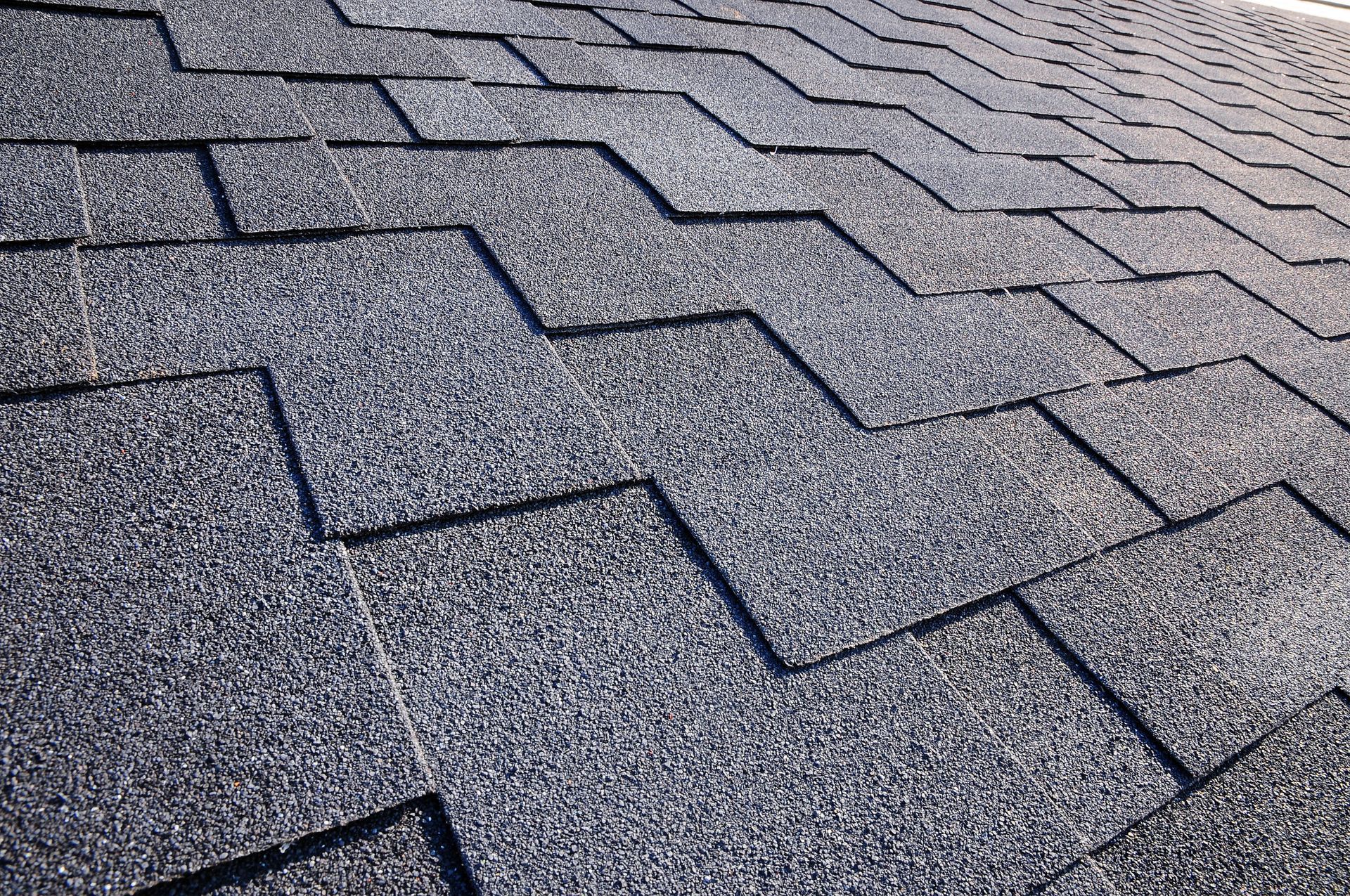
Color samples can look dramatically different indoors than they do outside. Natural light reveals undertones and variations that may not be obvious in a showroom or on a screen. A gray shingle might appear cooler in direct sunlight and warmer near brick or wood. Blended shingles can also show more variation when viewed across a full roof than when examined as an individual piece.
For that reason, homeowners benefit from evaluating larger samples outdoors and considering how the color interacts with the house during different parts of the day. Viewing completed roofs with similar materials can provide additional context. Roofing contractors often have experience with how particular colors appear once installed, which can help homeowners avoid surprises caused by lighting, scale, or surrounding surfaces.
Balancing Current Preferences With Lasting Appeal
Exterior color trends can be useful sources of inspiration, but a roof is a long-term design feature. A highly fashionable shade may be exciting now yet become difficult to coordinate with future paint choices. Neutral and adaptable colors often provide greater flexibility, especially for homeowners who expect to update siding, doors, shutters, or trim later.
That does not mean every roof needs to be plain. Dimensional blends, subtle color variation, and carefully selected undertones can add personality while maintaining versatility. Homeowners can aim for a color that reflects their taste without depending entirely on a short-lived trend. This balanced approach supports both present-day curb appeal and future exterior changes.
Comparing Shingle Options With Professional Guidance
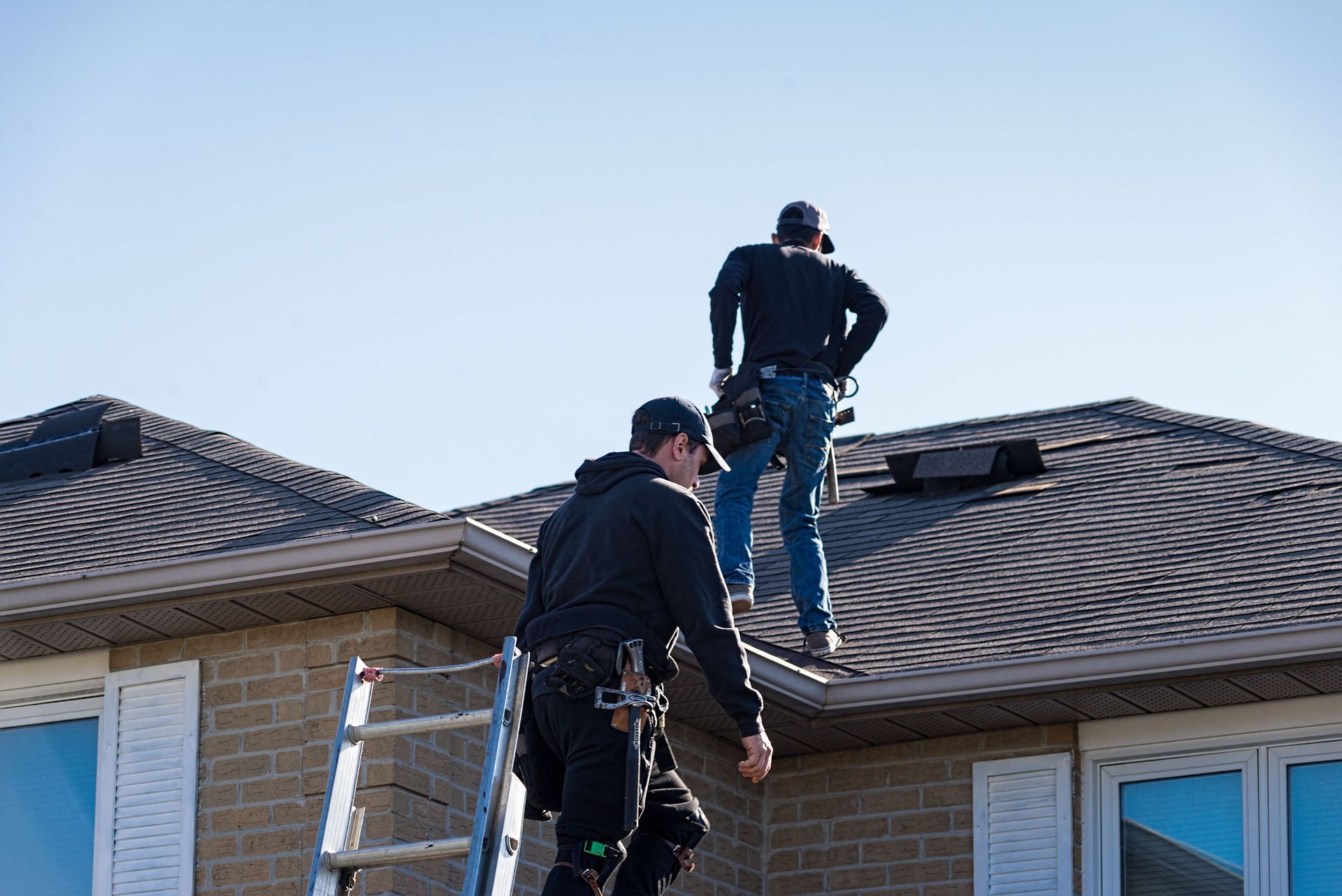
The number of professionals in the roofing field reflects how established and specialized the industry has become. According to RubyHome, the U.S. has an estimated 134,365 roofers. Even with many professionals working in the field, homeowners should still look for knowledgeable roofing contractors who can explain how shingle appearance, roofing materials, and architectural design relate to one another.
Professional guidance can be especially valuable when several colors seem suitable. Contractors may provide manufacturer samples, examples from completed projects, or insight into how certain blends look across a larger surface. They can also keep aesthetic decisions connected to practical roofing considerations, ensuring that color is evaluated as one part of the complete roofing system rather than as the only factor that matters.
Reviewing Neighborhood Context Without Copying It
A home does not exist visually on its own. Neighboring properties, natural surroundings, and the broader streetscape can influence how a roof color feels. Homeowners may want their property to have individuality, but a dramatically different roof can sometimes appear disconnected from nearby architecture. Observing common tones in the area can provide useful context without requiring a homeowner to duplicate another house.
The surrounding environment matters as well. Heavily wooded settings may complement earthy or subdued tones, while open landscapes can make roof colors appear more prominent. Roofing contractors can help homeowners think about these broader visual relationships while still prioritizing the specific materials and architecture of the home. The objective is a roof that feels distinctive in a cohesive way.
Choosing Shingle Colors With the Whole Home in Mind
The most successful roof color choices usually come from considering architecture, permanent exterior materials, contrast, lighting, personal preferences, and surroundings together. Focusing too heavily on a single factor can make the decision harder because a shingle may look appealing by itself but less effective once paired with the entire facade.
Homeowners can narrow their choices by identifying the colors already built into the property and determining whether they want the roof to blend gently or provide stronger definition. From there, comparing realistic samples and seeking input from experienced roofing contractors can make the final selection more confident. A well-coordinated roof supports the home’s character and creates a polished appearance from the street.
Creating a Cohesive Exterior With the Right Roof
Roof color has the power to reinforce architectural style, connect exterior materials, and influence the overall impression of a home. The strongest choice is usually one that complements existing features without competing for attention. Considering undertones, contrast, natural light, and long-term versatility can help homeowners find a color that remains attractive as other exterior elements evolve.
Because shingles cover such a prominent surface, the decision deserves careful consideration. Working with roofing contractors can add valuable perspective and help homeowners see how individual samples may translate to the scale of a completed roof. With thoughtful planning, the finished result can feel integrated with the home’s architecture rather than simply placed on top of it.
Planning Your Roofing Project With Professional Support
If you are ready to explore shingle colors that complement your home’s architecture, contact Constitution Contracting Inc. We can help you review roofing options with your home’s exterior, style, and long-term appearance in mind. Our team is ready to discuss your project, answer your questions, and help you move forward with a roofing solution that suits your property.