July 13, 2026
Every property owner eventually faces a decision about their roof, whether it's a small repair or a full replacement. Unfortunately, misinformation about roofing has spread so widely that many owners make costly choices based on myths rather than facts. These misconceptions often lead to delayed maintenance, poor material choices, or DIY attempts that end up more expensive than hiring qualified roofing contractors from the start. Understanding the truth behind these common myths can save property owners thousands of dollars and years of frustration. Below, we break down some of the most persistent roofing myths and explain why professional guidance matters more than ever.
Myth 1: A Roof Only Needs Attention When It Leaks
One of the most damaging myths is the belief that a roof is fine as long as water isn't visibly entering the home. In reality, roofs deteriorate gradually, and by the time a leak appears, significant damage has often already occurred beneath the surface. Shingles can crack, flashing can loosen, and underlayment can degrade long before any water reaches the ceiling. Waiting for visible signs of failure means property owners miss the window for affordable repairs and instead face expensive replacements. Routine inspections by roofing contractors can catch these issues early, identifying weak points before they become structural problems. Proactive maintenance is almost always less expensive than reactive repair work.
Myth 2: All Roofing Materials Perform the Same Over Time
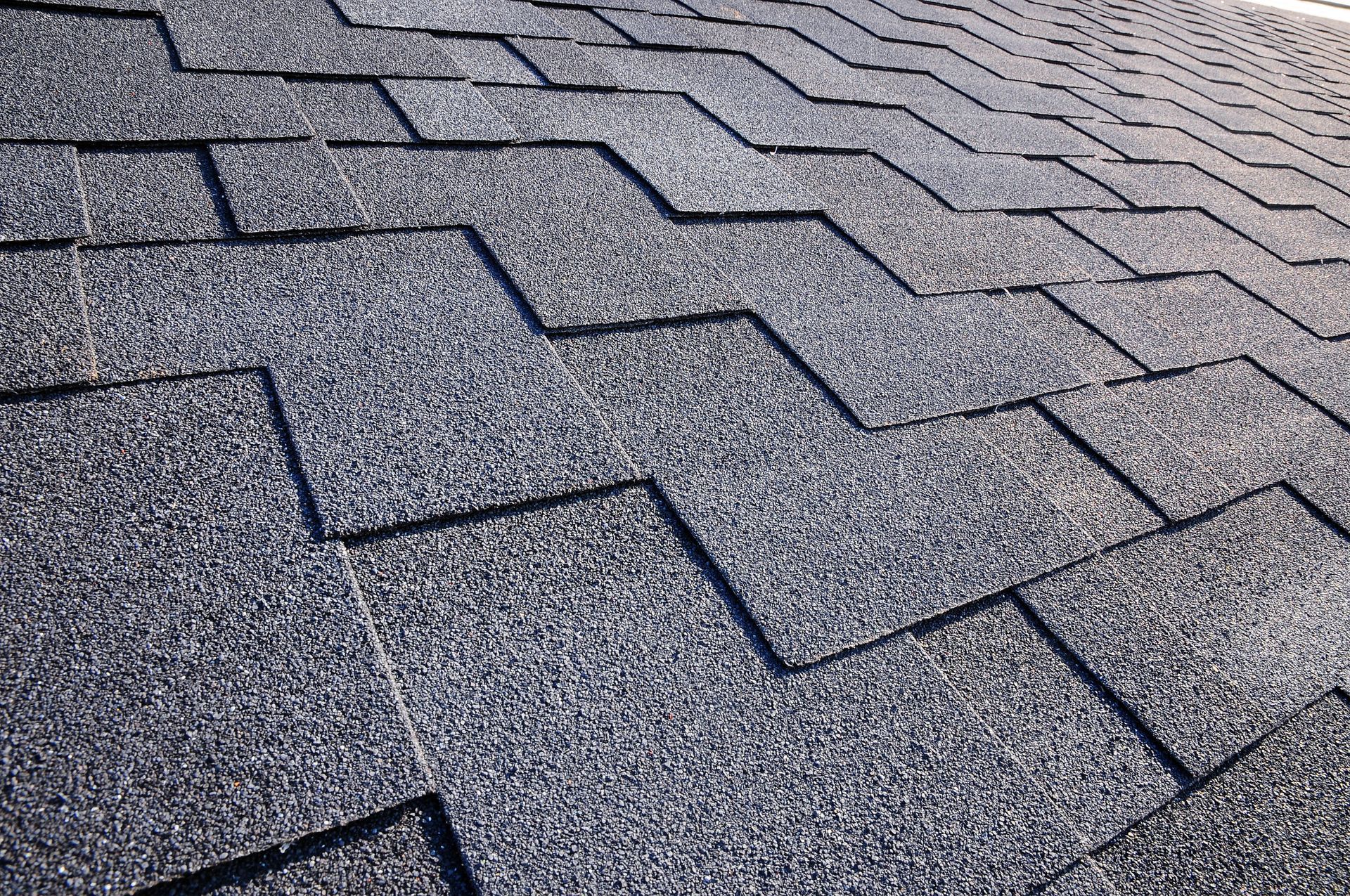
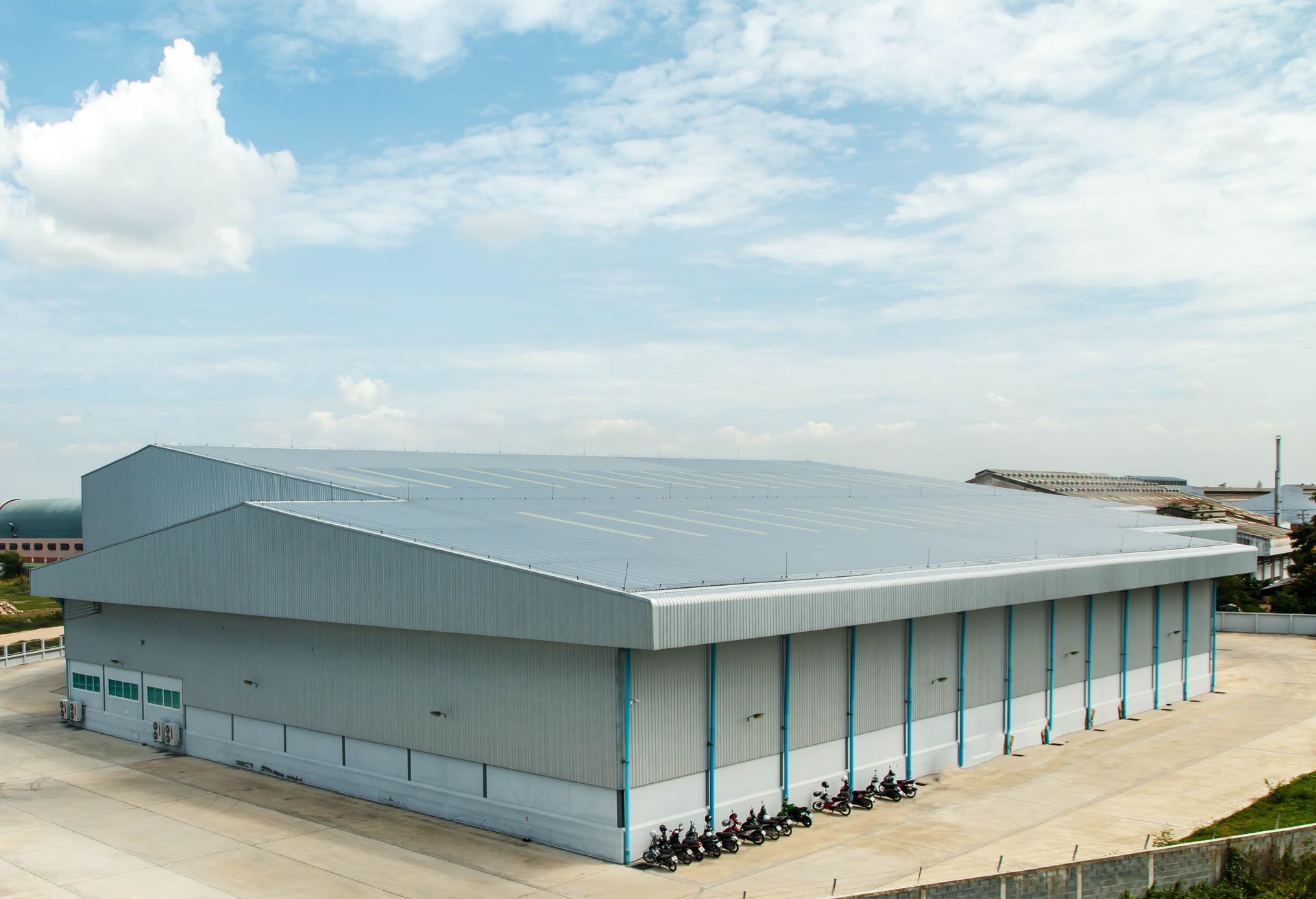
Many property owners assume that roofing material is simply a matter of appearance, but performance varies dramatically between products. Asphalt shingles, metal panels, tile, and slate each have distinct lifespans, maintenance needs, and resistance to weather events. Metal roofing, in particular, has seen a surge in popularity due to its durability and energy efficiency. According to This Old House, the global metal roofing market is projected to grow at an annual rate of 3.5% between 2020 and 2030, reflecting increasing consumer confidence in the material's long-term value. Choosing the wrong material for a given climate or budget can lead to premature failure. Experienced roofing contractors can help property owners weigh these factors against their specific needs, climate conditions, and long-term goals.
Myth 3: DIY Roof Repairs Always Save Money
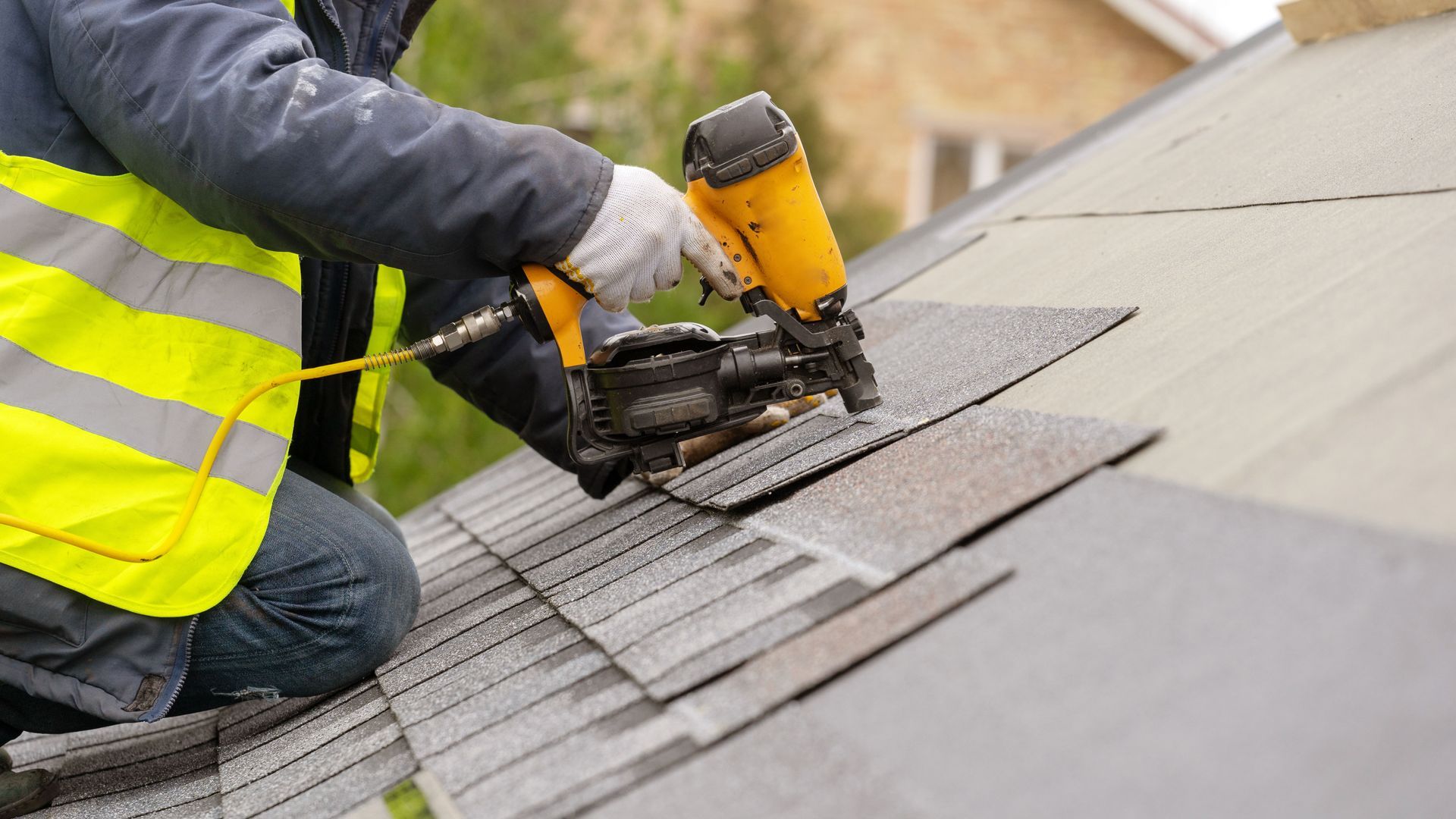
It's tempting to view roof repair as a weekend project, especially with the abundance of online tutorials promising quick fixes. However, roofing work involves more complexity than most homeowners realize, from proper ventilation to correct flashing installation. A poorly executed DIY repair can void material warranties, cause hidden water damage, or create safety hazards for the person attempting the work. What starts as a cost-saving measure often turns into a more expensive repair once professionals are called in to correct the mistakes. Roofing contractors bring the training, tools, and experience necessary to complete repairs correctly the first time, which ultimately protects the property owner's investment.
Myth 4: A New Roof Automatically Increases Home Value
While a new roof can be a strong selling point, it doesn't guarantee a dollar-for-dollar return on investment. The value added depends on factors like material quality, installation workmanship, local market conditions, and how the roof complements the rest of the property. A poorly installed roof, even with premium materials, can actually detract from a home's appeal during an inspection. Buyers and appraisers pay close attention to workmanship, not just the presence of new shingles or panels. Partnering with reputable roofing contractors ensures the installation meets current building codes and industry standards, which matters far more to resale value than material cost alone.
Myth 5: Roof Inspections Are Only Necessary After Storm Damage
Many property owners only think to schedule an inspection after a major weather event, but this reactive approach overlooks the gradual wear that happens over time. Sun exposure, temperature fluctuations, and minor debris accumulation can all weaken a roof's integrity long before a storm ever arrives. Regular inspections, ideally twice a year, allow small problems to be addressed before they escalate into costly repairs. Insurance companies also tend to favor claims backed by documented maintenance history, which can make the claims process smoother after storm damage does occur. Scheduling routine visits from roofing contractors helps property owners stay ahead of problems rather than scrambling to respond to them.
Myth 6: Roof Color Has No Effect on Energy Efficiency
Many property owners choose roof color based purely on aesthetic preference, unaware that color plays a meaningful role in energy efficiency. Darker roofing materials absorb more heat, which can increase cooling costs during warmer months, while lighter colors reflect sunlight and help regulate indoor temperatures. In regions with extreme seasonal temperature swings, this decision can noticeably affect utility bills over time. Reflective or "cool roof" coatings have become increasingly popular for this reason, particularly in metal roofing applications. Consulting with roofing contractors about material and color options tailored to a specific climate can lead to long-term energy savings that offset the initial installation cost.
Myth 7: Regular Roof Maintenance Is Optional For Property Owners
Some property owners view roof maintenance as an occasional task rather than an ongoing responsibility, assuming their roof will simply hold up on its own between major repairs. This mindset overlooks how small issues, like clogged gutters, loose flashing, or minor debris buildup, can quietly compound into larger problems if left unaddressed. Consistent upkeep extends a roof's lifespan and helps property owners avoid emergency repairs that come with premium costs. Scheduling seasonal check-ins with roofing contractors ensures small concerns are caught early, rather than discovered during a crisis. Treating maintenance as a priority, not an afterthought, is one of the simplest ways to protect a long-term investment.
Myth 8: Flat Roofs Are More Prone to Failure Than Sloped Roofs
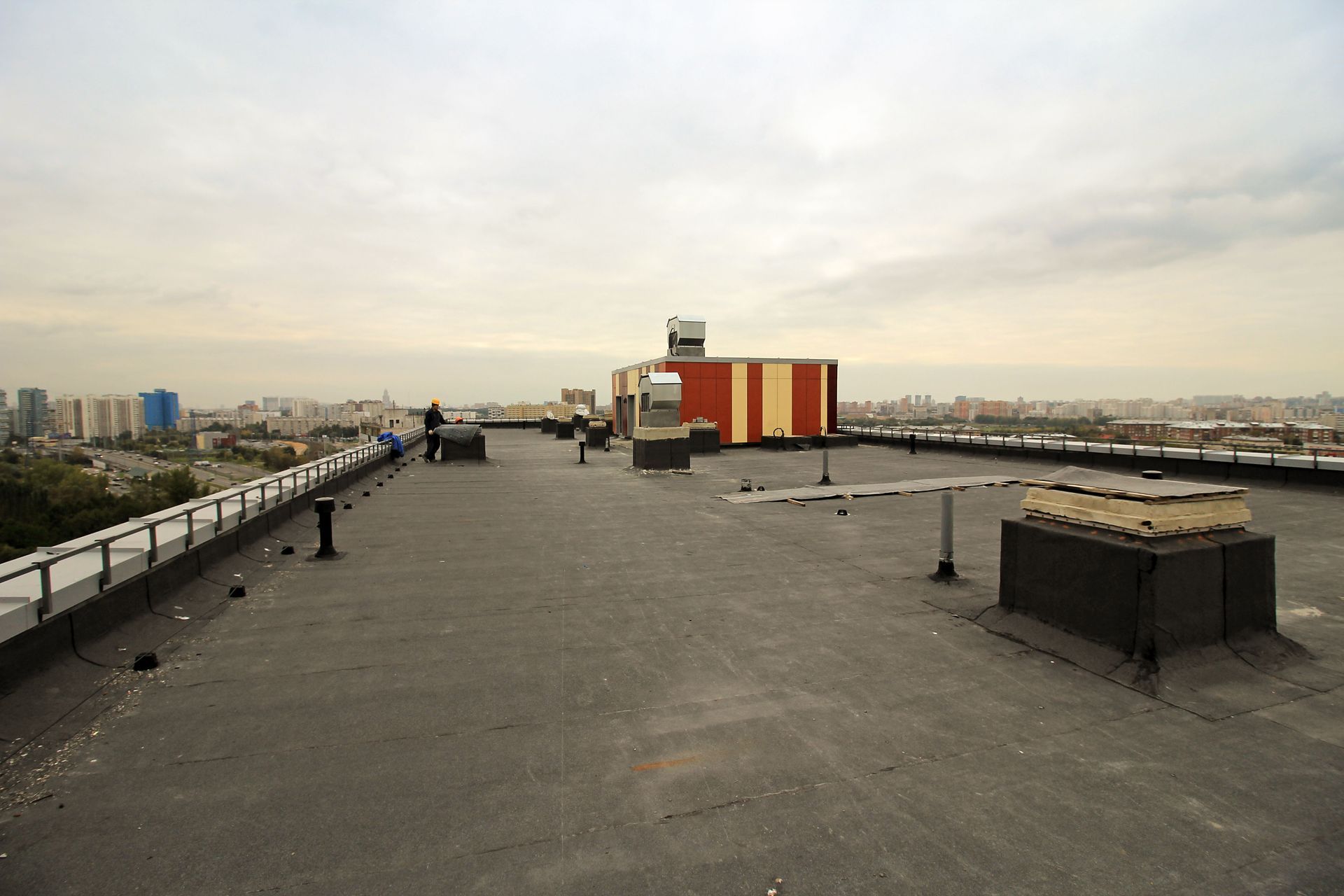
There's a common assumption that flat roofs are inherently less reliable than their sloped counterparts, but this isn't necessarily true when installation and maintenance are handled correctly. Flat roofs do require different drainage systems and materials to prevent water pooling, but modern membrane technologies have made them highly durable when installed properly. The real issue tends to be inadequate installation or infrequent maintenance rather than the roof style itself. Property owners considering a flat roof should work with roofing contractors who have specific experience in that system, as the techniques and materials differ significantly from those used for sloped designs.
Myth 9: Replacing a Roof Is Always More Cost-Effective Than Repairing It
Some property owners assume that a full roof replacement is the smarter long-term investment, even when repairs would suffice. While replacement is sometimes necessary, particularly for roofs nearing the end of their lifespan, many issues can be resolved through targeted repairs at a fraction of the cost. Jumping straight to replacement without a thorough assessment can lead to unnecessary spending. A qualified inspection helps determine whether isolated damage can be repaired or whether the roof's overall condition justifies replacement. This is precisely the kind of decision where professional input from roofing contractors provides real financial clarity, helping property owners avoid both premature replacement and inadequate repairs.
Roofing myths persist because they offer simple explanations for a system that is, in reality, quite complex. But acting on misinformation can cost property owners far more than the price of a professional consultation. The details matter, and cutting corners rarely pays off in the long run. The most reliable way to protect a roofing investment is to rely on accurate information and experienced professionals who understand the nuances of the industry.
If you're ready to move past the myths and get real answers about your roof's condition, we invite you to reach out to us at Constitution Contracting Inc. Our team is here to provide honest inspections, transparent recommendations, and quality workmanship you can trust. Contact us today to schedule your consultation and protect your property the right way.