November 23, 2026
A roof does much more than complete the appearance of a building. It serves as one of the property's primary protective barriers, helping keep rain, wind, heat, and debris outside while supporting indoor comfort and protecting the structure beneath it. A well-maintained roofing system can also contribute to energy efficiency, moisture control, and the overall condition of a home or commercial property. When roofing work becomes necessary, decisions about materials, installation, repairs, and ongoing maintenance can influence a property's performance and durability for years to come. Working with qualified professionals gives owners a clearer path through those decisions, helping them understand their roof's condition, identify potential concerns, and determine which improvements make the most sense for their needs and budget.
Protecting Buildings and Occupants
A dependable roof is one of a building’s first lines of defense against weather and moisture. Even a small opening around flashing, a damaged shingle, or a clogged drainage area can allow water to reach insulation, ceilings, framing, and personal belongings. Roofing contractors understand how these components work together, so they can look beyond a visible stain or loose material and investigate the conditions that may have caused it. Their work helps preserve the building well while reducing the chance that a minor concern will become a disruptive repair.
The value of that protection is practical for homeowners and business owners alike. A roof in good condition can help maintain indoor comfort, protect equipment and inventory, and reduce interruptions caused by leaks. Professionals also recognize that safety matters during the work itself, particularly when crews are handling tools, materials, and elevated surfaces. A careful process protects occupants, workers, and the property throughout the project.
Evaluating Roof Conditions
Before recommending a repair or replacement, roofing contractors should understand the roof’s current condition. An inspection may include shingles or panels, flashing, valleys, gutters, penetrations, drainage, ventilation, and signs of moisture inside the building. Professionals can distinguish routine wear from damage that needs prompt attention, then explain which findings deserve priority. This assessment helps owners avoid spending money on a surface-level fix when a deeper issue is affecting performance.
Clear evaluations also make planning easier. A written estimate can outline the work proposed, materials, expected timing, and costs, giving property owners a useful basis for comparing options. Questions are worth asking during this stage, especially about the source of a leak, the condition of underlying decking, and whether repairs are likely to address the problem fully. A thoughtful inspection turns uncertainty into a more manageable plan.
Selecting Suitable Materials
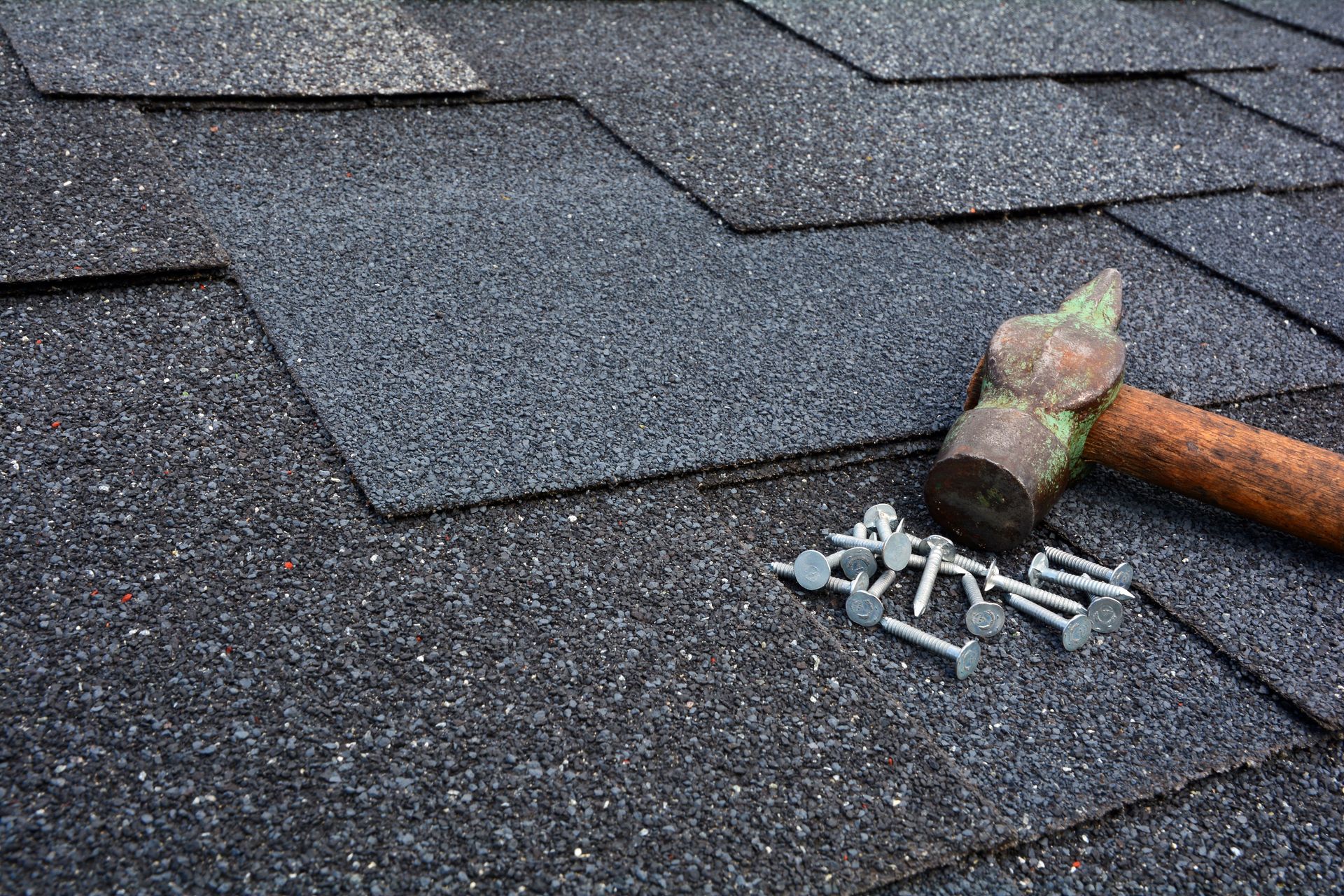
Roofing materials differ in appearance, price, weight, durability, maintenance needs, and performance in local weather. Asphalt shingles may suit many properties because they offer a familiar look and a range of price points, while metal, tile, slate, and other systems can meet different design or longevity goals. The best choice is not automatically the most expensive option; it is the material that fits the building, climate, budget, and owner priorities. A knowledgeable contractor can explain trade-offs without treating one product as right for every roof.
Material decisions should also account for components that are easy to overlook. Underlayment, flashing, fasteners, ventilation, and drainage all contribute to how a roofing system performs, and compatibility matters. According to Roofr, the United States has more than 105,000 businesses providing roofing contractor services, illustrating how extensive this specialized field is nationwide. With so many providers, owners can take time to compare experience, product recommendations, warranties, and communication before making a selection.
Installing Roofing Systems
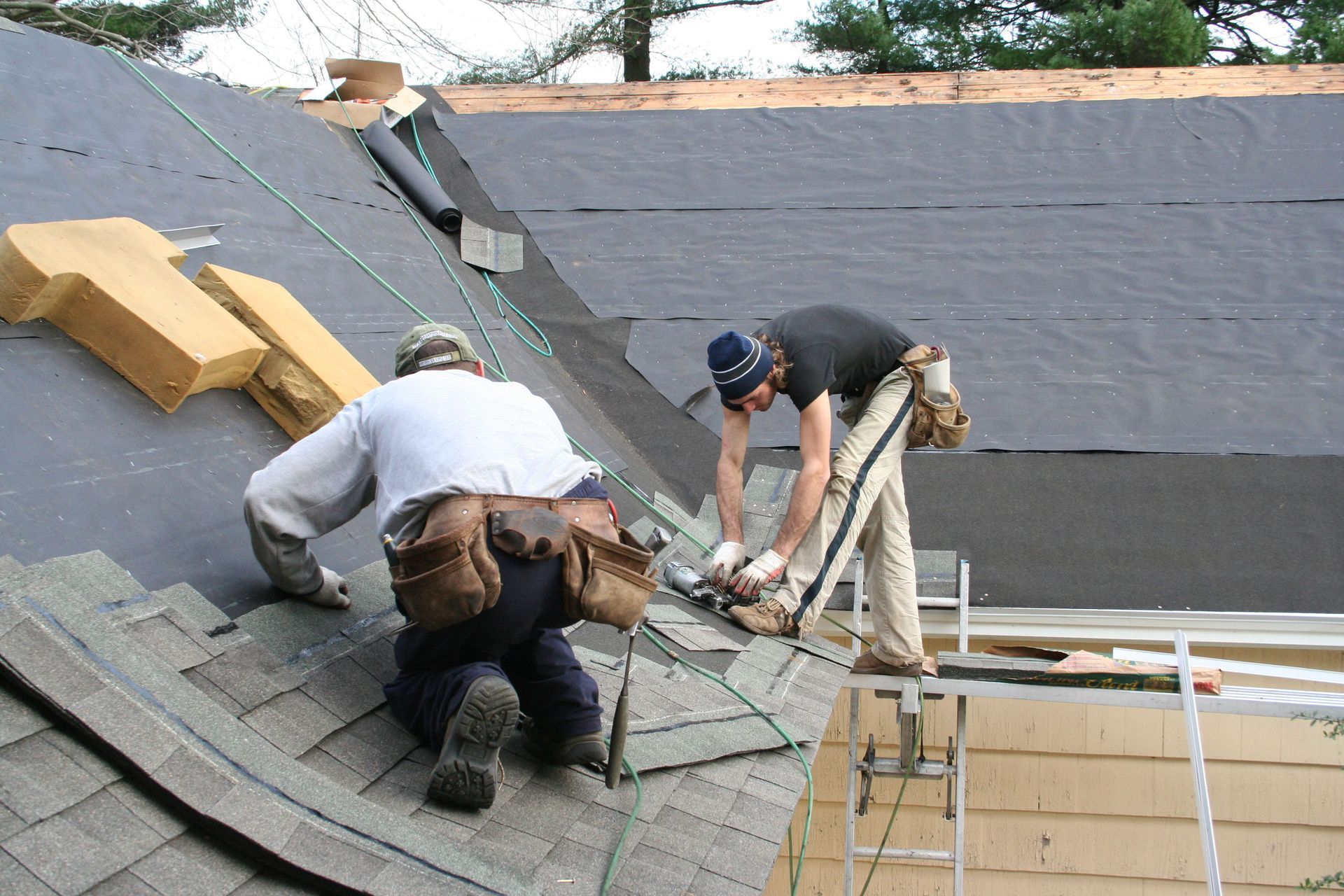
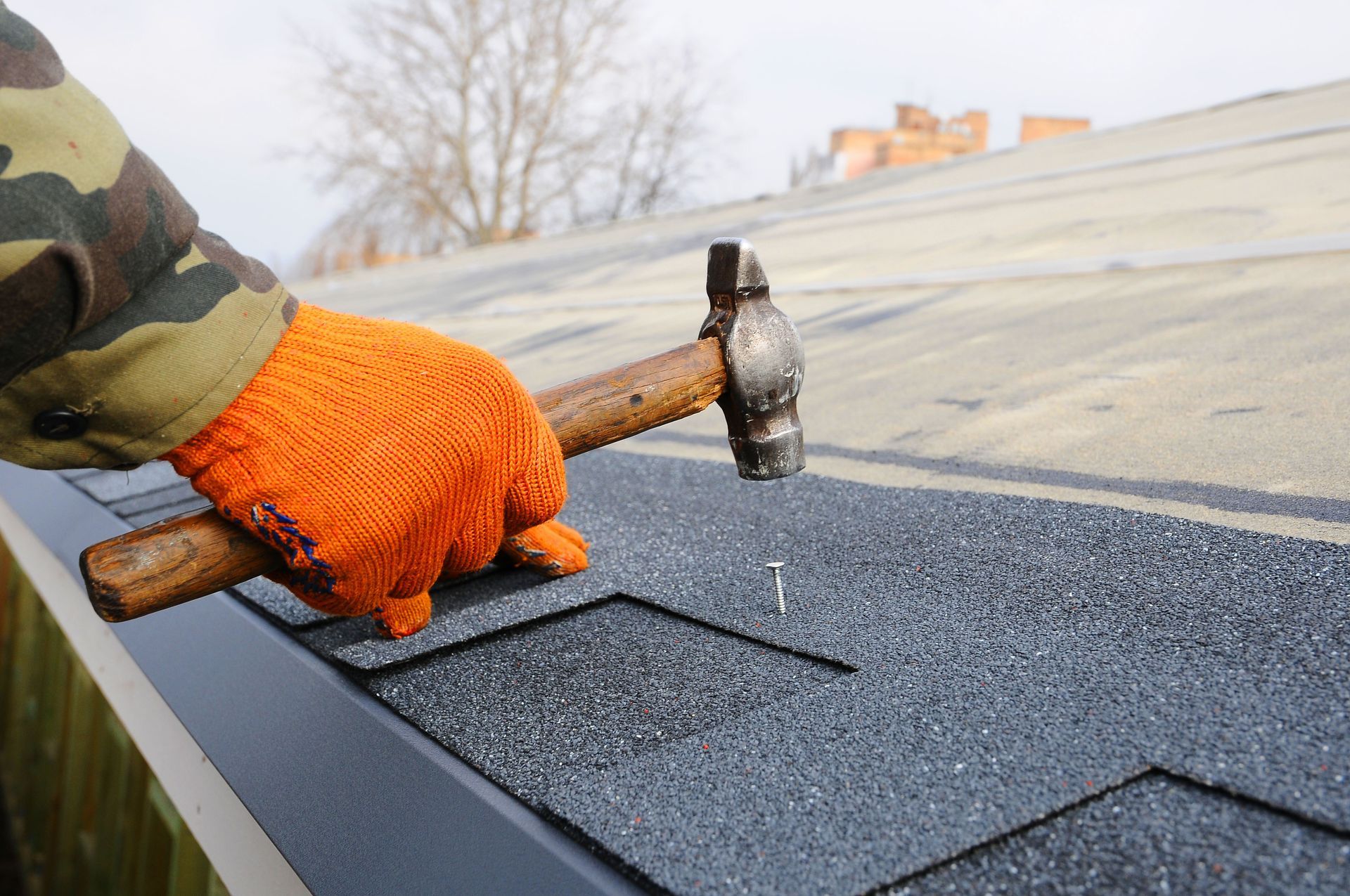
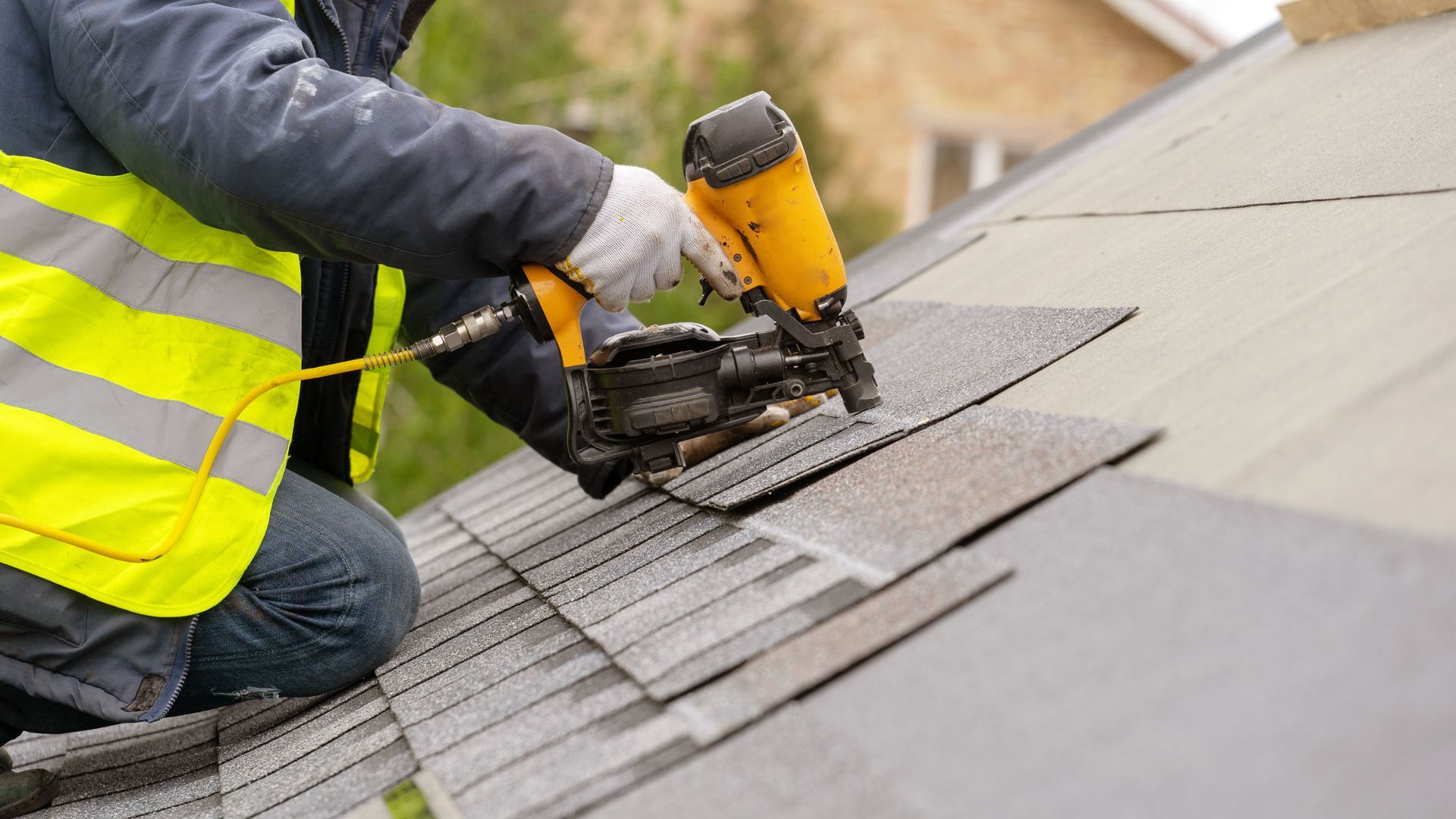
Installation quality influences how well a roof protects a building over time. Preparation may involve removing old materials, checking the decking, correcting damaged areas, and establishing a sound surface for the new system. Roofing contractors coordinate these steps and follow manufacturer instructions, building codes, and appropriate installation practices. Attention to details such as flashing around chimneys, vents, skylights, and roof edges can be just as important as the visible roofing material.
A well-managed installation also considers the people living or working on the property. Crews should communicate the schedule, explain access needs, protect landscaping where practical, and keep the site orderly. Weather can affect progress, so realistic timelines and updates help owners plan around noise, deliveries, and temporary disruptions. When the project is complete, a final review and clear documentation can help confirm what was installed and how to care for it.
Maintaining Roof Performance
Roof care does not end when installation or a major repair is finished. Seasonal checks can reveal loose materials, debris buildup, damaged flashing, blocked gutters, or signs of water entry before those concerns spread. Roofing contractors can recommend a maintenance schedule suited to the roof type, surrounding trees, climate, and building use. Regular attention is generally easier to plan than an urgent response after a leak reaches the interior.
Property owners can support that maintenance between professional visits, too. Keeping gutters clear, watching for ceiling discoloration, and noting changes after storms are useful everyday habits, but climbing onto a roof is not necessary or advisable for routine observation. If a concern appears, roofing contractors can assess it safely and determine whether a repair is needed. Consistent upkeep helps preserve materials and gives owners a better understanding of their roof’s condition.
Managing Safety and Project Risks
Roofing work involves heights, changing weather, heavy materials, and tools that require training. A responsible company plans for these hazards with appropriate fall protection, equipment, crew instruction, and jobsite procedures. Owners should ask about licensing requirements in their area, insurance coverage, and how workers will protect the property during the project. These checks are not paperwork for its own sake; they help clarify responsibility if an accident or unexpected damage occurs.
Risk management also includes realistic contracts and communication. A proposal should identify the scope of work, payment terms, cleanup expectations, warranty information, and how changes will be handled if concealed damage is discovered. Roofing contractors who explain these details before work begins make it easier for customers to understand their commitments and avoid preventable misunderstandings. Clear shared expectations create a smoother experience from the first inspection through final cleanup.
Improving Long-Term Property Value
A sound roofing system contributes to a property’s condition, appearance, and usefulness. Buyers and tenants may notice visible roof deterioration, while water damage or repeated maintenance problems can raise concerns about broader upkeep. Timely repairs and documented improvements can help owners demonstrate that the building has been cared for, although no roofing project guarantees a particular resale return. The practical benefit is maintaining a property that is better protected and easier to manage.
Choosing a contractor should therefore involve more than comparing the lowest bid. Review references, recent project examples, written estimates, insurance documentation, and warranty terms, and pay attention to whether explanations are specific and understandable. The right professional relationship can help owners make informed decisions now and plan future maintenance with fewer surprises. It also gives them a reliable point of contact when weather or age eventually creates another roofing concern.
A roof is a long-term part of a building’s protection, and its performance depends on informed choices at every stage. From inspections and material selection to installation, maintenance, and safety, qualified professionals bring focused knowledge that can help property owners protect their investment. Taking time to compare credentials, ask questions, and understand the proposed work is a practical way to approach any roofing project. For dependable roofing guidance, inspections, repairs, or installation, contact Constitution Contracting Inc.